

Audiovisual Integration
Audiovisual integration makes it possible to connect audio, video, control, automation and lighting systems within a single technology infrastructure. This approach is essential in professional environments where functionality, connectivity and the user’s experience depend on coordinated management of the AV systems.
At Instalia we approach professional audiovisual integration from a technical perspective, examining its applications, technologies and trends in businesses, collaborative spaces, retail, smart buildings and permanent installations.
What audiovisual integration brings together: audio, video, control and lighting
Audiovisual integration means unifying professional audio systems, video, lighting, control and, in many cases, automation within a coordinated technology infrastructure. Its aim is for every component to work in a connected, efficient and easily managed way, improving both how the space operates and the user’s experience.
The process covers the design, installation and management of audiovisual technologies able to communicate with one another, allowing functions to be centralised, resources optimised and each environment adapted to how it is actually used. In that sense, audiovisual systems integration is key in projects where connectivity, reliability and control are decisive factors.
Professional audiovisual integration is applied in meeting rooms, corporate spaces, auditoriums, educational environments, shops, smart buildings and public facilities, where technology ceases to be a set of isolated elements and becomes a unified, functional solution.

Leyard Europe LED display at STVR for the 2026 Winter Olympics
The Leyard Europe LED display at STVR has made it possible to fully modernise the flagship sports studio of the Slovak public broadcaster in Bratislava for its 2026 Winter Olympics coverage. Built for broadcast production and live sports, the installation…

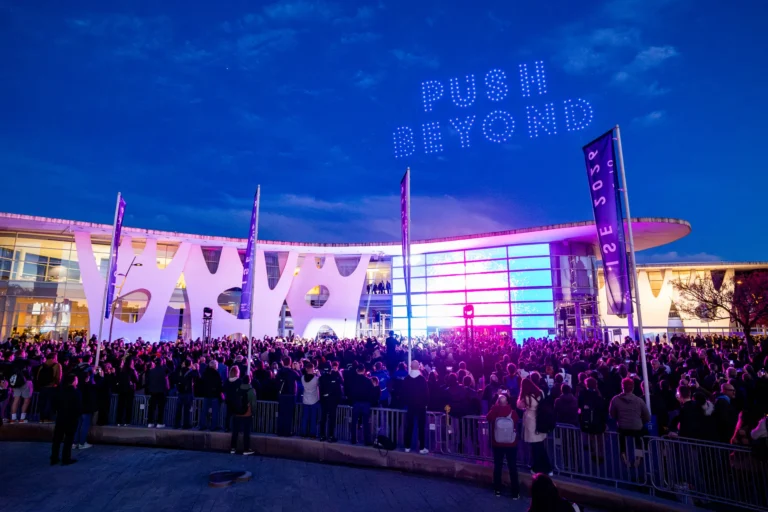
ISE wins back-to-back Sammy Award for its Push Beyond campaign ahead of ISE 2027
ISE wins a Sammy Award for the second year running for Push Beyond, the campaign behind the record ISE 2026, as the show prepares to return to Barcelona in 2027.
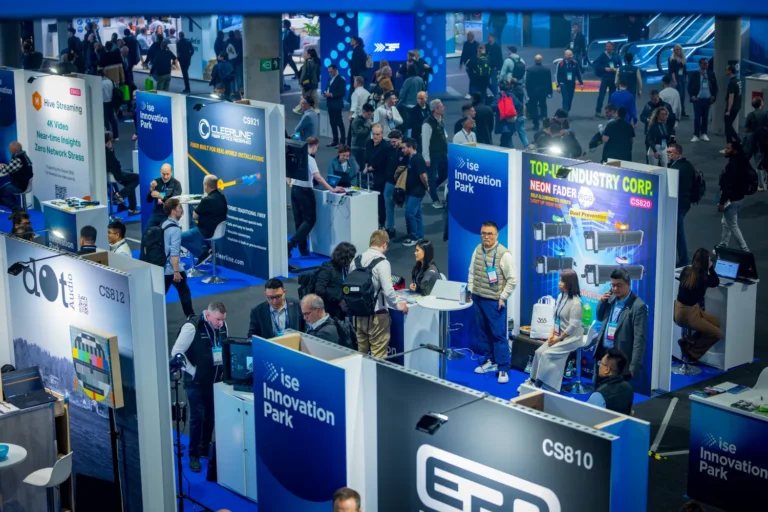
Innovation Park ISE 2027: ISE confirms a new edition for AV start-ups
Innovation Park ISE 2027 returns to Fira de Barcelona, Gran Via, from 2 to 5 February 2027 as the area of Integrated Systems Europe reserved for AV start-ups, emerging technology companies, investors, buyers and systems integrators. The programme arrives at…
Characteristics of professional audiovisual integration
Professional audiovisual integration is characterised by the ability to unify different technology systems into a connected, efficient and easily managed infrastructure. This approach turns traditional spaces into intelligent environments where communication, control and the user’s experience are fully optimised.
Its main characteristics include:
- Connectivity and centralised control: allows different devices and platforms to be integrated within a single system, making unified management of the audiovisual systems easier and improving operational efficiency.
- A tailored environment: every audiovisual systems integration project is adapted to the specific needs of the space, the type of user and the communication objectives.
- Technological innovation: it incorporates advanced solutions in audio, video, control and automation, applied in both temporary and permanent audiovisual installation projects.
- Scalability and flexibility: systems can evolve over time, allowing extensions, upgrades and the integration of new technologies without affecting the original structure.
- Technical quality and reliability: it guarantees high standards in sound, image and connectivity, fundamental in professional environments where system stability is critical.
Advantages of audiovisual integration in professional environments
Implementing audiovisual integration solutions brings key benefits in spaces where technology has to work in a coordinated and efficient way.
- Optimised resources: integration allows the audiovisual systems to be managed centrally, reducing technical errors and improving overall system performance.
- Better communication: combining audio, video and control makes for clearer communication, both in corporate environments and at corporate events or in collaborative spaces.
- An improved user experience: integrated environments produce experiences that are more intuitive, more fluid and better adapted to what the user needs.
- Automation and remote control: AV integration allows processes to be automated and systems to be managed from centralised interfaces or remotely.
- Adaptable to different environments: from offices and meeting rooms through to retail or public spaces, audiovisual integration allows the technology to be adapted to each context.
- Professional audiovisual integration thus stands as a strategic solution for improving the efficiency, connectivity and functionality of any space.
Find everything you need to organise your event
The range of audiovisual integration services is broad: audio, video, control, lighting, infrastructure, adaptation and more. Everything you need is in this category, so you do not have to keep searching other websites. We work only with companies that guarantee a dedicated, quality service backed by experience.
Every audiovisual integration company listed here can offer you tailored solutions for managing corporate events, event organisation of every kind, corporate events, concerts, conferences, product and service launches and more.
FAQS
¿Qué es la integración audiovisual?
La integración audiovisual es el proceso de conectar sistemas de audio, vídeo, iluminación, control y automatización dentro de una infraestructura tecnológica unificada. Su objetivo es que todos los elementos funcionen de forma coordinada, facilitando la gestión del espacio, mejorando la experiencia del usuario y optimizando el rendimiento de los sistemas audiovisuales.
¿Dónde se aplica la integración audiovisual profesional?
La integración audiovisual profesional se aplica en salas de reuniones, oficinas, auditorios, entornos educativos, retail, edificios inteligentes, espacios públicos y proyectos de señalización digital. También es clave en instalaciones permanentes y entornos donde la conectividad, el control centralizado y la automatización son factores prioritarios.
¿Qué ventajas ofrece la integración de sistemas audiovisuales?
La integración de sistemas audiovisuales permite centralizar el control de la tecnología, mejorar la conectividad entre dispositivos, optimizar recursos y reducir incidencias técnicas. Además, facilita la automatización, mejora la eficiencia operativa y ofrece una experiencia más fluida en entornos profesionales.
¿Qué diferencia hay entre integración audiovisual y servicios audiovisuales?
La integración audiovisual se centra en el diseño, implementación y coordinación de sistemas tecnológicos dentro de un espacio, mientras que los servicios audiovisuales suelen estar más relacionados con el soporte, la operación o la gestión técnica de equipos en eventos o proyectos concretos. En muchos casos, ambos conceptos pueden complementarse, pero no responden a la misma necesidad.
¿Cómo elegir una solución de integración audiovisual adecuada?
Para elegir una solución de integración audiovisual adecuada es necesario valorar el tipo de espacio, los objetivos del proyecto, el número de usuarios, la conectividad requerida, el nivel de automatización y la posibilidad de ampliación futura. También es importante analizar la compatibilidad entre sistemas, la facilidad de control y la calidad técnica de la solución propuesta.


Are you an audiovisual integration company?
If your company offers audiovisual integration as a service and you want to gain visibility online, appearing in this category will help you achieve that. We give you the chance to make the most of all our site’s traffic so that you increase your visits through us.
Want to feature on Instalia?
Don’t get left behind: use every tool and channel available to generate conversions through our categories.
Gain visibility online and appear in this category.
Any questions?
If you have any questions about how our service works, you can always call our offices or simply fill in our contact form, and we will be glad to help.